
Morphology & Morphemes
-
Phonics Books for Older Students: Age-Appropriate Reading
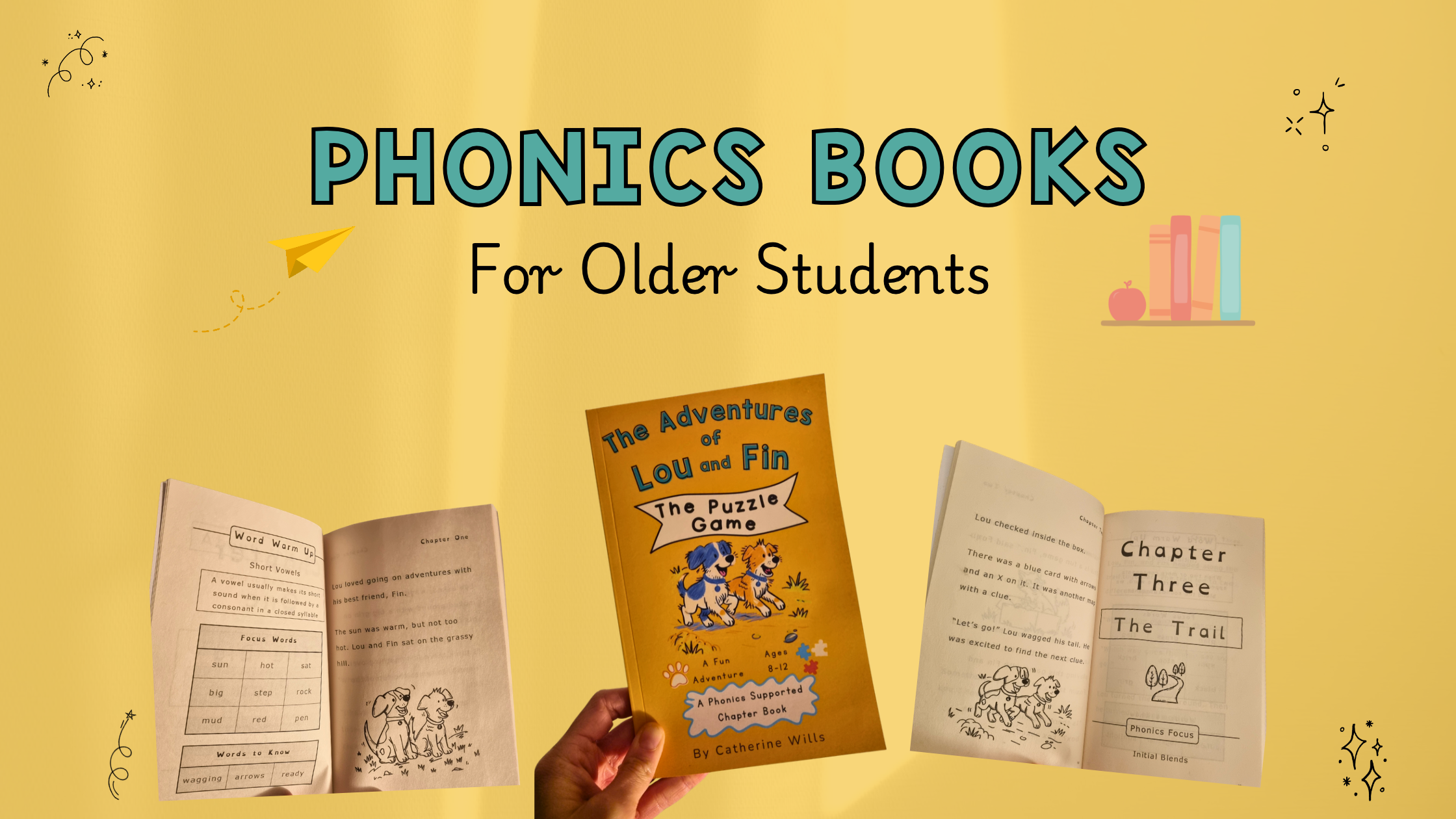
Imagine being a Year 5 student who finds reading difficult. Or a Year 3 student sitting next a friend who is reading a large chapter book. Or a Year 6 student who still needs help sounding out digraphs. Now, imagine how phonics books for older students can boost their confidence. You may have been this…
-
Make Reading Comprehension Activities More Meaningful
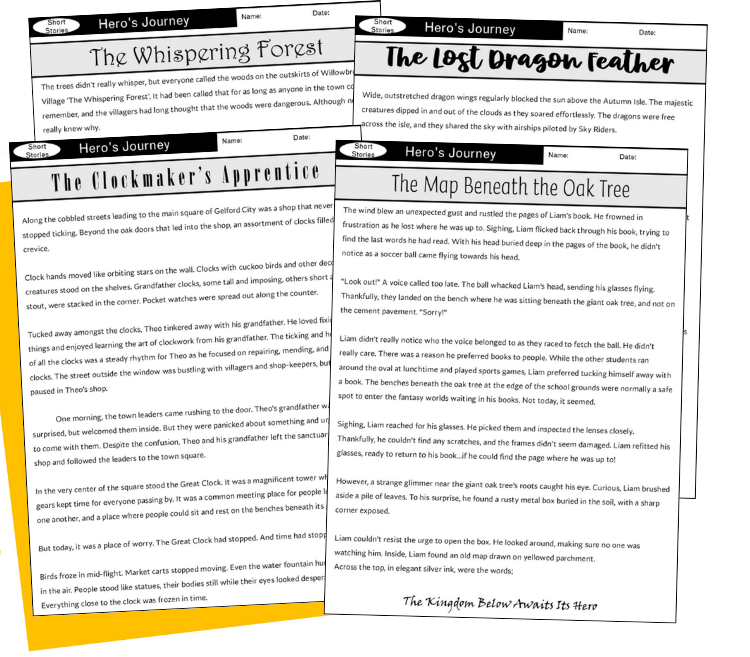
A page of reading comprehension activities and questions can look wonderfully productive. Students read a passage, answer ten questions, and move on to the next task. Yet sometimes, when we look more closely, the questions have become a collection of small hurdles rather than an opportunity to think deeply about the text. A student may…
-
Teaching Greek and Latin Roots in Context
Find strategies for teaching Greek and Latin roots to help students when reading unfamiliar words with context, word families, word sums, and meaningful practice.
-
5 Powerful Strategies You Need to Build Morphology Practice
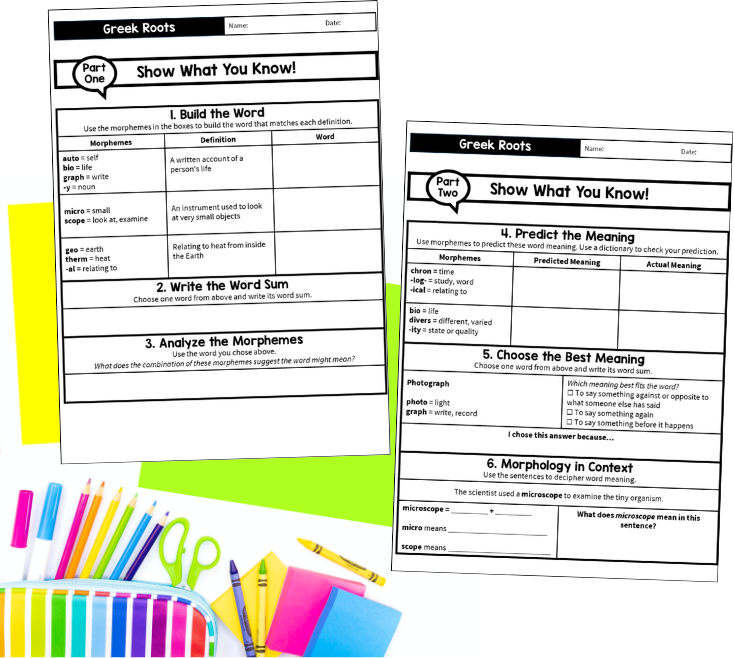
Students often tell you that un- means not, -ful means full of, and tele- relates to distance. This is a good start to morphology practice. However, when that student meets word unhelpful or telecommunication in science text, deeper morphology practice explains why useful knowledge may disappear. This is a common challenge. However, recognition is only…
-
Unlocking Vocabulary: Fun Morphology Activities for Older Students
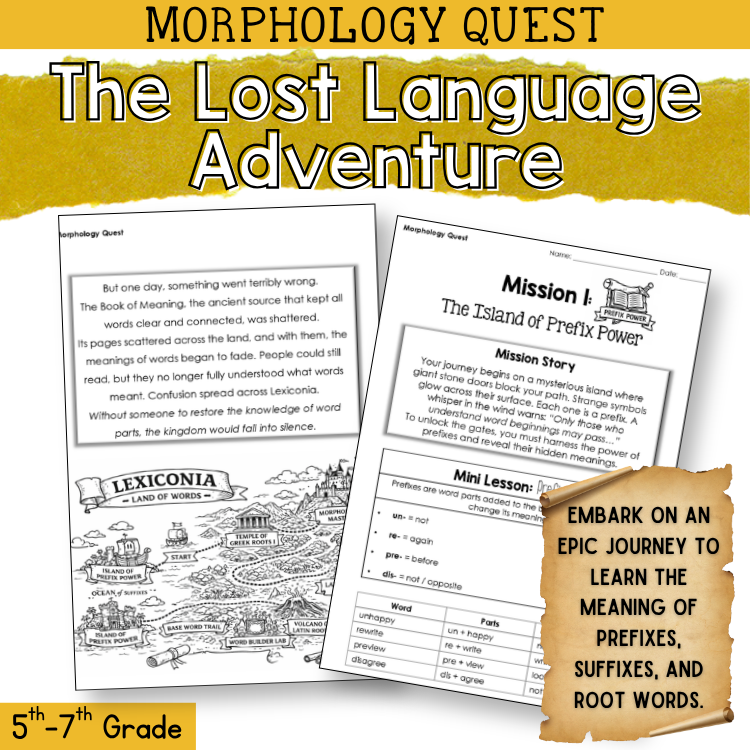
If you’ve been exploring the Science of Reading, you’ve probably come across Scarborough’s Reading Rope. Morphology is an important part of that rope for older students. When teachers provide engaging and fun morphology activities, students’ understanding words can flourish! When students understand prefixes, suffixes, and Greek and Latin roots, they strengthen their: This becomes especially…